Crochet Items Supplier


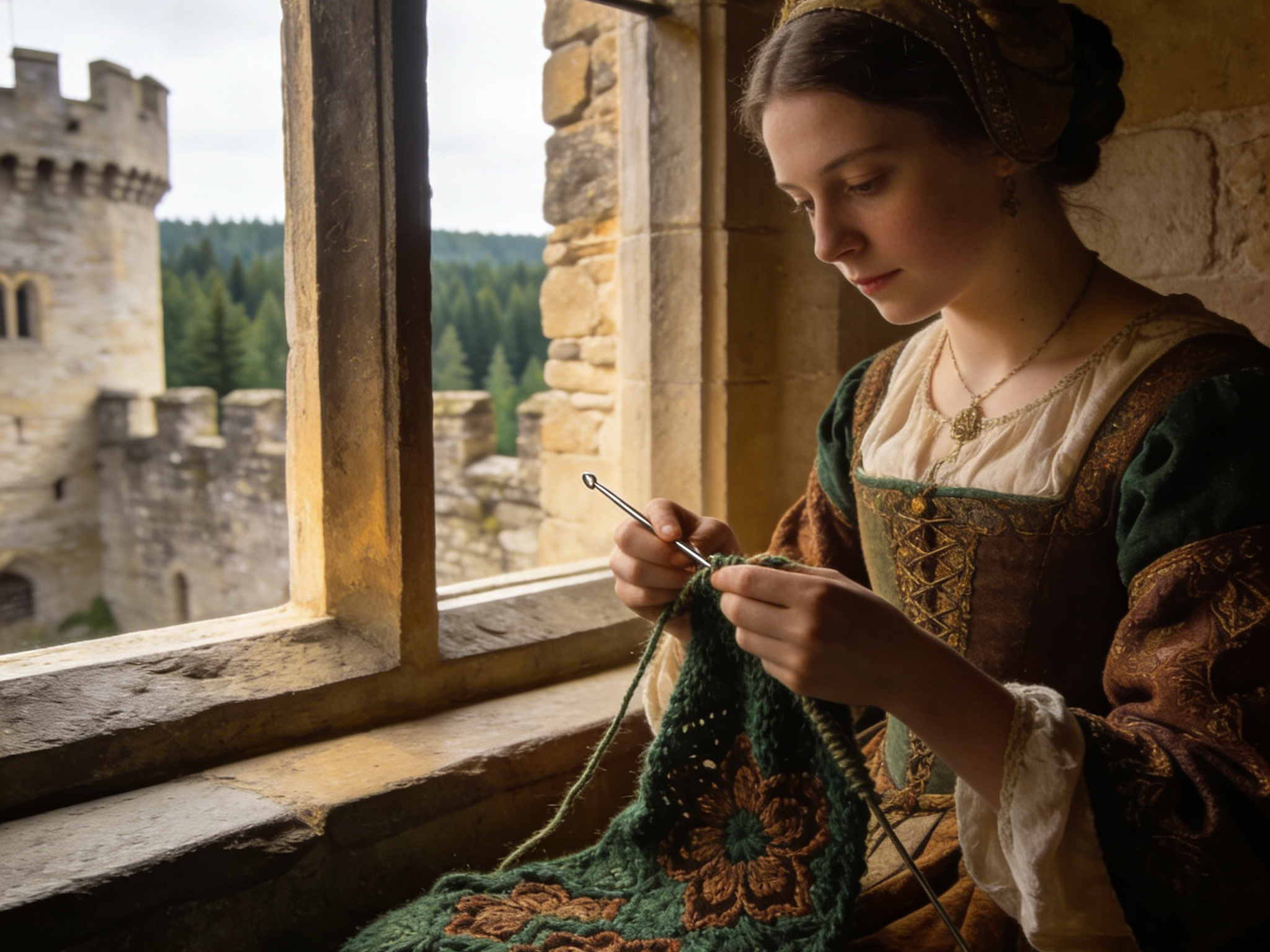
Crochet art is a handicraft form that uses a crochet hook as a tool and yarn as the material. Its development runs through the entire history of human civilization, the crafts show the unique culture systems in different regions and ethnic groups. Each stitch and thread carries cultural genes and the wisdom of life. This article will take you through time and space to explore the global evolution of crochet techniques.
Europe – The Systematic Development of Lace Art
- Italy: The Fusion of Aristocratic and Religious Craftsmanship
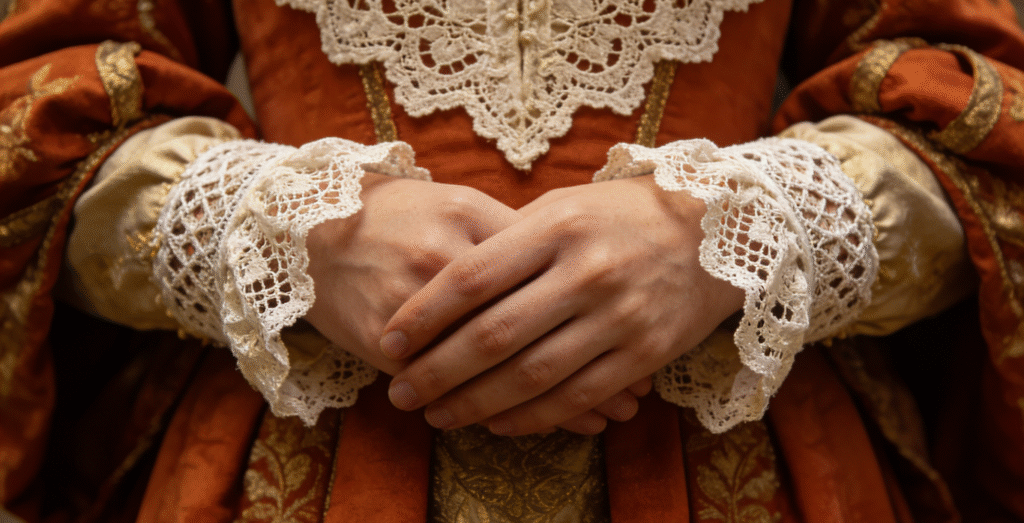
In the 16th century, nuns in Italy refined crochet techniques that introduced from the Middle East, they created more delicate lace artistry. The Initial crafts was used for church decorations, the unique openwork patterns and delicate stitches attracted the attention of the nobility in a short time. With the Renaissance pursuit of beauty, lace gradually became a core decorative element in European court attire. Which makes Italy be one of the important birthplaces of European lace craftsmanship.
- France: Technological Breakthroughs in 3D Crochet
In the 18th century, France elevated lace craftsmanship to new heights. French designers integrated lace with court fashion, creating luxurious lace collars, cuffs, and skirt trims. They even developed a unique and incredible “air crochet” technique which enabling three-dimensional weaving without a base fabric. This innovation elevated lace from an accessory to an independent art form.
- Ireland: The Dual Tracks of Function and Aesthetics
Aran and Irish Crochet are two distinct traditional Irish handicrafts. Aran focuses more on warmth and functionality, while Irish Crochet emphasizes decoration and artistry. They enrich the diversity of Ireland’s weaving traditions together and reflects the profound heritage of Irish crochet culture.
Aran : Originating from the traditional craft of Aran Island fishermen, it uses thick yarn and features patterns such as diamonds and wave stitches. Initially, it was primarily used to make warm items like sweaters due to the cold climate. Later, traditional Irish crochet techniques merged with modern design concepts,They produced numerous high-quality crochet products beloved by consumers worldwide.
Irish Crochet: Known for its intricate mesh structure and 3d floral patterns, each flower and leaf is crocheted individually and then connected with a hook. During the Great Famine in Ireland,this craft became a vital source of income.Today, Irish Crochet stands as an important symbol of Irish culture, with its works still highly sought after in the international market.
- Central Europe: Representative Symbolic Crochet
Poland: In the 16th century, lace crochet was highly favored by Polish noblewomen.An openwork embossed effect was achieved with precise cross-knotting, and each piece requires over 20 manual tension adjustments during production—a highly complex process. Even today, this craft remains a highlight of international cultural exchange at modern intangible cultural heritage festivals, It attracts many global artisans to collaborate.
Slovenia: Bobbin lace was mainly used for wedding headpieces and infant swaddling clothes, symbolizing purity and blessings. This kind of crochet art uses a shuttle to created closely woven lace patterns, often featuring plant and geometric motifs with a fresh and elegant style.
Asia – The Needle-and-Thread Interpretation of Eastern Aesthetics

- China: Regional Differences and Heritage Preservation
Crochet art in China show clear regional variations between the north and south. Northern focuses more on practicality due to climatic reasons, often used for winter hats and gloves, while southern crochet works emphasize decoration, such as exquisite lace and decorations.
Chaoshan Crochet: In the 19th century, European lace techniques were introduced to China and blended with local embroidery traditions, forming an openwork lace style that incorporates marine elements like seashells. The refined crafts retain the translucency of European lace while incorporating the liveliness of Chaoshan culture.
Traditional Crochet: It integrates geographical and cultural elements based on traditional hand-crochet techniques, characterized by elasticity, density, softness, and flexibility. It has gradually expanded from clothing to home decor, jewelry, daily accessories, holiday gifts by Combining with contemporary aesthetic demands and continuous design innovation, For example, crochet flowers, micro-crochet jewelry, crochet bags, key chains, and dolls. These items combine functionality with visual appeal, beloved by international knitting enthusiasts and eco-conscious consumers, forming a significant part of China’s exports. Some factories can even customize patterns and sizes to meet personalized orders, such as Mum Crochet.
- Japan: The Ultimate Pursuit of Delicate Craftsmanship
Japanese Wafū crochet was influenced by weaving techniques from China’s Tang Dynasty and evolved with local aesthetics into a simple and natural style, often used for kimono accessories and tea ceremony utensils. For instance, Japanese crochet kimono belts and accessories are renowned for their exquisite patterns and intricate stitches.
- India: A Feast of Colors and Patterns
Indian crochet is famous for its rich colors and complex designs, often accented with metallic threads for a luxurious sight. Additionally, Indian crochet often integrates with religious and festive themes, with many works used in ceremonies and celebrations.
Americas – The Living Legacy of Ancient Civilizations

Peru: Andean crochet uses alpaca wool as material, featuring patterns mainly of animals and sun symbols in warm colors with an ancient style. Each tapestry tells a tribal legend, with sun patterns corresponding to Inca calendar nodes. It has become an important souvenir for Peruvian tourism at present.
Mexico: Otomi crochet is a traditional skill of the Otomi people in central Mexico, mainly used for shawls, bags, etc.It often comes with bright colors and floral and animal motifs reflecting their ethnic style. It has now become an important representative of Mexican cultural exports.
Africa – The Perfect Combination of Practicality and Symbolism
- West Africa: A Visual Carrier of Tribal Culture
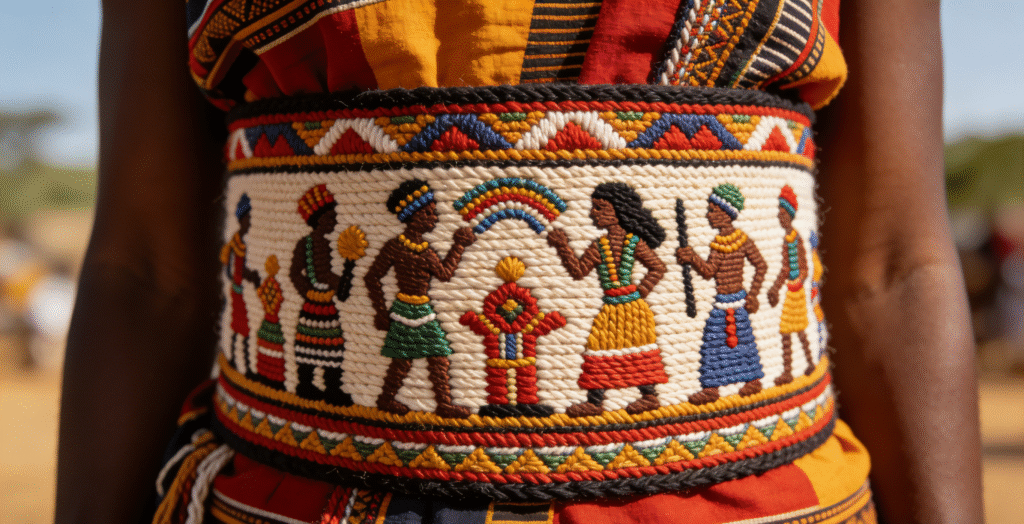
Many West African tribes use crochet to make traditional clothing, accessories, and home decor. It is not only a practical skill but also an important method of cultural transmission there. Many tribes use crochet works to recount historical stories and myths. For example, the Ashanti people are renowned for their fine crochet belts and headpieces, usually featuring bright colors and geometric patterns symbolizing tribal beliefs and values.
- South Africa – Modern Innovation and Integration:
Zulu crochet is considered the origin of modern crochet in South Africa, primarily made from colorful yarn for headwear and belts with striped and dotted designs for a vibrant style. Crochet artists integrate modern design concepts to create unique crochet dresses and accessories based with Zulu crochet,, which have attracted significant attention at international fashion weeks.
Conclusion
The global development of crochet is an epic of human creativity, cultural inheritance, and life wisdom. From European lace crochet to African traditional weaving and Asian folk crafts, every stitch and thread carries cultural genes and life’s wisdom. Let us cherish this precious cultural heritage and continue to explore the infinite possibilities of crochet art.